
Constipation is a very real problem for many people. It is not a popular topic. Gut health contributes to overall health, and quality of life. So, it is important to take time to discuss.
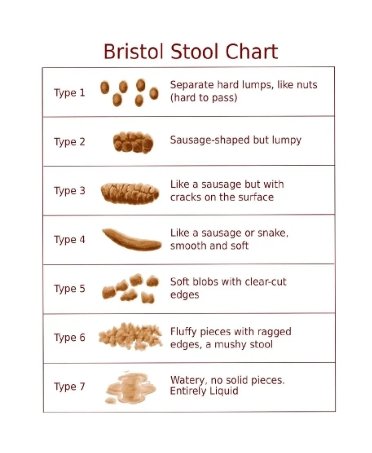
I have added a Bristol Stool Chart below. Look at the chart below. Everyone should have one ideally type 4 BM every day. I know many people say, oh well, my normal pattern is once or twice a week. This is not ideal.
Constipation is most often caused by diet and lifestyle factors like a lack of fiber and fluids, a sedentary lifestyle, and changes in routine. Other causes include altered gut microbiome imbalance, certain medication, such as some antidepressants and pain relievers, calcium and iron. Medical conditions such as diabetes, Parkinson’s disease, and Irritable Bowel Syndrome (IBS). Ignoring the urge to have a bowel movement and stress can also contribute to constipation.
Diarrhea is often a sign of constipation and should be evaluated by a health care provider.
Diet and lifestyle
- Low fiber diet: Not eating enough fruits, vegetables, and whole grains can lead to hard, dry stools.
- Dehydration: Not drinking enough fluids causes the large intestine to absorb more water from the stool, making it harder to pass.
- Lack of physical activity: An inactive lifestyle means food takes longer to move through the digestive system.
- Ignoring the urge: Delaying a bowel movement can make stool harder and more difficult to pass later.
- Changes in routine: Travel or other disruptions to your daily habits can affect your bowel movements.
- Stress: High levels of stress can impact your digestive system and lead to constipation.
One thing I would like to caution you about is over the counter laxatives, really over the counter anything. When medications and supplements are available to purchase over the counter people get a sense that they are harmless. Laxatives come with risk for serious side effects, including the obvious of electrolyte imbalance. Even more serious are seizures, muscle aches, kidney damage and heart arrhythmias. Over the counter NSAIDs can itself be a cause of constipation. Be careful what you put in your body.
If you suffer from constipation please notify your doctor. When you see your doctor bring a bag of all your medications AND supplements so they can go through and find if there is anything you are taking to aggravate constipation.
Adults over 50 should start getting colonoscopy. And younger adults if there is family history or gut issues.
Dietary Adjustments
- Increase Fiber Intake: Aim for 25 to 38 grams of fiber daily from food sources to add bulk to the stool and make it easier to pass.
- Excellent sources include split peas, black beans, artichokes, raspberries, Brussels sprouts, apples (with skin), and whole grains like oatmeal and bran cereal.
- Add fiber gradually to your diet to avoid gas and bloating.
- Stay Hydrated: Drink plenty of water (around eight 8-ounce glasses of clear liquids daily for most adults, unless otherwise advised by a doctor). Adequate fluid helps the fiber work effectively to soften stools; without it, fiber can make constipation worse.
- Eat Natural Laxatives: Incorporate foods known for their natural laxative effects:
- Prunes and prune juice contain fiber and sorbitol, a sugar alcohol that draws water into the intestines.
- Kiwifruit, flaxseed, and chia seeds are also high in fiber and can help with regularity.
- Consider Probiotics: Probiotics are beneficial bacteria found in foods like yogurt, sauerkraut, and kimchi. They may improve gut health and help relieve chronic constipation in some individuals.
- Limit Certain Foods: Avoid highly processed foods, high-fat meats, and fried foods, which contain little to no fiber and can exacerbate constipation. Limit caffeinated beverages and alcohol, as they can lead to dehydration.
And MOVE!!!
Walk, do chair exercises. Even if you are sedentary, contract your abdominal muscles, twist from side to side, you don’t have to qualify for a marathon, just move a little more than you are used to.
I hope this helps bring some awareness to the subject.
NOTICE: This content is for informational and educational purposes only. It is not intended to provide medical advice or to take the place of medical advice or treatment from a personal health care professional. All viewers of this content are advised to consult their own qualified health professionals regarding specific health questions. Neither KetoNurses or the publisher of this content takes responsibility for possible health consequences of any person or persons reading or following the information in this educational content. All viewers of this content, especially those taking prescription or over-the-counter medications, should consult their medical providers before beginning any nutrition, supplement or lifestyle program.
references